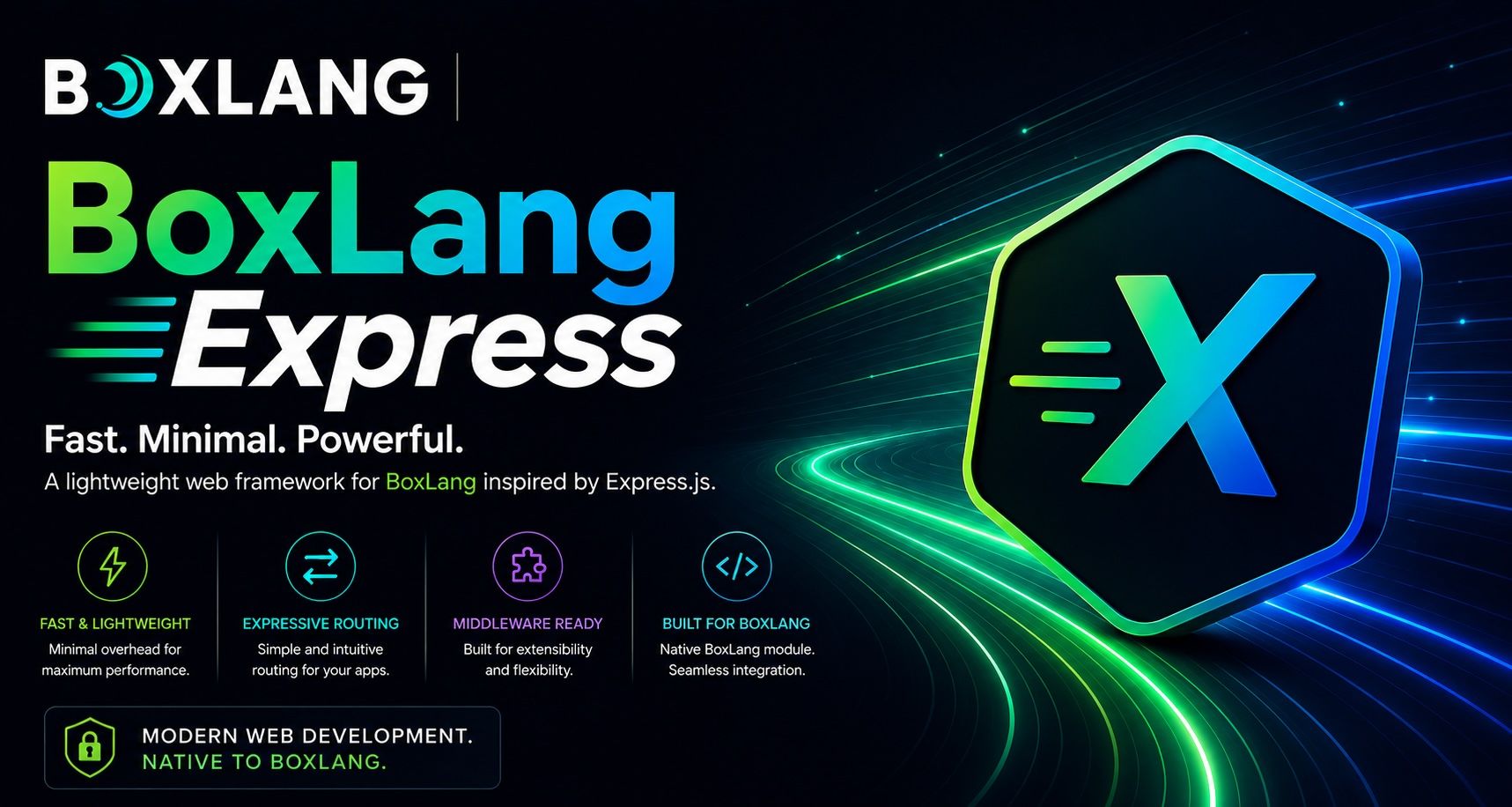
BoxExpress 0.1.15→0.2.1: five patch releases fixed empty-value crashes (query/cookie/multipart), hardened proxy-IP trust for real platforms, fixed session data loss against non-memory stores, added response outcome accessors and opt-out session writes, and closed a trailing-slash bug hitting nearly every request. Then 0.2.0 replaced the JDK's HttpServer with Undertow entirely (breaking), verified at full parity and load-tested. 0.2.1 added live HTTP-layer metrics via getConnectorStatistics().

Tag
cli
10 articles
Robert replaced a synchronous third-party analytics service (which caused outages when rate-limited) with a custom `RequestLogger.bx` for his site. It uses a bounded in-memory queue, non-blocking middleware, and a background scheduled thread to batch-flush rows to SQL every 5s, with periodic cleanup of old records. Doubles as a boxlang-express middleware tutorial covering closures, Java interop (ConcurrentLinkedQueue, dynamic proxies), and defensive error handling.
This site runs on one 1-vCPU DigitalOcean instance with no APM vendor — just a self-built page reading JVM metrics directly, and the habit of watching it. Covers which numbers actually matter (GC time ÷ uptime, not raw seconds), a real bug caught along the way (the JVM thought it had 8 cores, not 1), load-testing to find the real throughput ceiling, and trimming the Docker image 60% by dropping CommandBox entirely.
I rebuilt this blog on boxlang-express, my own Express.js-style BoxLang framework, moving from a CommandBox droplet to a thin DigitalOcean App container, with static assets on Cloudflare R2 and a homegrown MySQL access log replacing GoatCounter. Also: DismalThreads, my BoxLang/CBWire Reddit-style forum, is getting decommissioned end of month, no real users beyond my own test accounts, though the code may go public on GitHub.
BoxLang Express went from basic routing to a full-featured framework across 10 releases (0.1.1→0.1.14): sessions, CSRF, CORS, rate limiting, security headers, uploads, and a SQL-backed session store. Every fix got verified live before being called done, then locked in as one of 149 passing tests. Along the way, express-test grew from a chat demo into a live documentation site, catching stale docs and gotchas that reading alone would've missed.
BoxExpress brings Express.js-style HTTP endpoints to BoxLang using the JDK's built-in HTTP server. It supports routing, middleware, sub-routers, static files, and view rendering—without requiring a servlet container.
Robert ported 1983's Zork to BoxLang to demonstrate natural language parsing without AI models. Transcribed original ZIL (Zork Implementation Language) source from GitHub into BoxLang structs—rooms, objects, exits, synonyms, flags—using Claude for verbatim translation only. Parser handles tokenization and verb resolution like Infocom's original, proving vintage solutions remain viable.
`rsync-profiles` is a simple bash wrapper that replaces long, error-prone `rsync` commands with named profiles. Define your source, target, and exclusions in an INI-style config file, then sync with a single command like `rsync-profiles myprofile`. It supports remote servers via SSH, dry-run previews, custom rsync flags, and profile listing. Great for anyone tired of fat-fingering remote paths or digging through bash history to find that one sync command they ran three months ago.
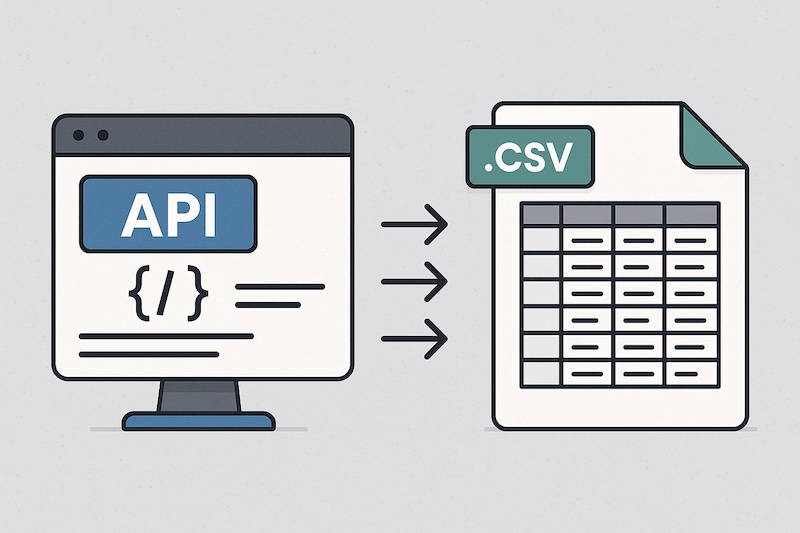
A vendor sent bulk data as Excel instead of JSON, conflicting with an API endpoint's small-payload limit. A quick BoxLang CLI script parsed the CSV, handled Excel currency formatting, and chunked the output into 100-row JSON files. A second script POSTed each file to the endpoint with SHA-1 auth headers. Total time: ~15 minutes. BoxLang's command-line scripting made it a natural fit for the job.
Quick and easy CSV generation with Boxlang CLI